
Digestive Disorder Remedies - Dr. Louis Granirer Holistic Chiropractor

"Your digestive symptoms are not random. They are your body’s way of asking for deeper support, and when we identify the stressors behind them, healing becomes possible."
-Dr. Louis Granirer
NY Chiropractor
Digestive Disorders Remedies in Kingston, Ulster County, NY 12401
Digestive discomfort is one of the most common health challenges people face, yet many are told their tests are normal or that their symptoms are simply part of aging or stress. But your body never creates discomfort without a reason. Gas, bloating, reflux, constipation, diarrhea, and abdominal pain are all signals that something in the digestive system is overwhelmed or out of balance.

Contact Dr. Louis Granirer
NY Holistic Chiropractor and Leading
Nutrition Response Testing Practitioner
For a Free Consultation

At Holistic Chiropractic Center in Kingston, NY, Dr. Louis Granirer takes a whole‑body approach to digestive health. Instead of masking symptoms, he looks for the underlying stressors affecting the stomach, intestines, liver, gallbladder, and microbiome. Using muscle testing, Nutrition Response Testing, and Applied Kinesiology, he identifies the specific imbalances that are disrupting digestion and guides the body back toward stability and ease.
Understanding Digestive Disorders Beyond Symptoms
Digestive disorders are not isolated problems. They are patterns that develop when the body is struggling to break down food, absorb nutrients, eliminate waste, or regulate inflammation. Before exploring specific conditions, it is important to understand that digestive symptoms are meaningful signals—not random events.
Common Underlying Causes of Digestive Disorders
The following patterns are among the most common causes of digestive distress and often overlap, leading to chronic discomfort.
- Food intolerances and sensitivities. Many people react to foods they eat daily without realizing it. These reactions may not appear on standard tests, yet they can cause gas, bloating, fatigue, skin issues, and abdominal pain. Identifying these triggers helps calm the digestive system.
- Low stomach acid or enzyme deficiency. When the body cannot properly break down food, it leads to fermentation, bloating, and nutrient malabsorption. Supporting digestion at the top of the system reduces stress throughout the intestines.
- Imbalanced gut flora. When beneficial bacteria are depleted or harmful organisms are present, digestion becomes unpredictable. This imbalance can contribute to IBS, inflammation, and irregular bowel movements.
- Fungal, parasitic, or bacterial stress. These hidden stressors can cause chronic digestive symptoms, fatigue, and immune challenges. Identifying and addressing them often brings significant relief.
- Structural imbalances. Misalignments in the spine, diaphragm, or abdomen can affect nerve flow and digestive motility. Correcting these patterns helps restore natural digestive rhythm.
- Stress and nervous system overload. The gut and brain are deeply connected. When the nervous system is overwhelmed, digestion becomes tense, reactive, or sluggish.
These root causes often combine to create the digestive symptoms people experience every day.
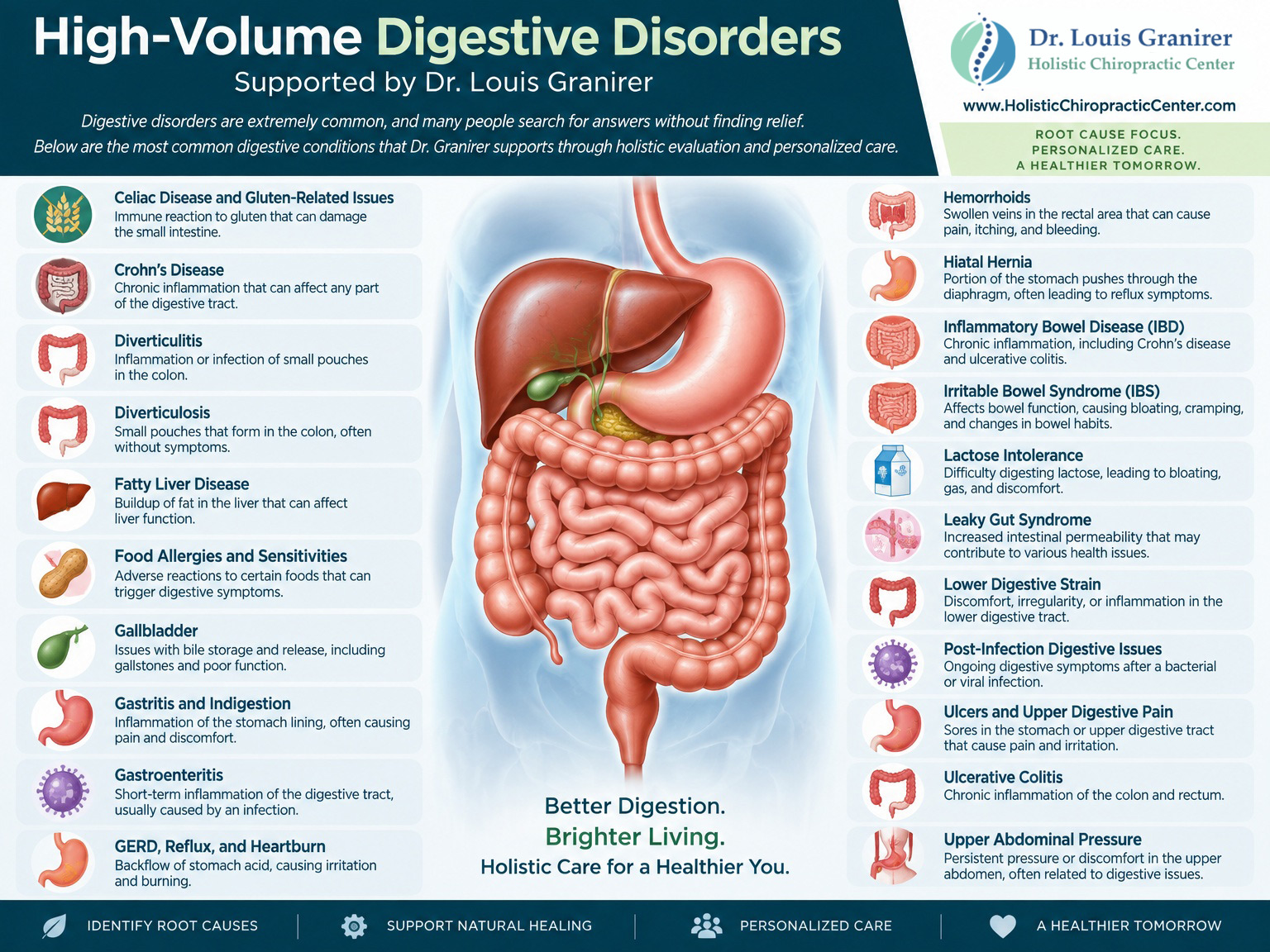
High‑Volume Digestive Disorders Supported by Dr. Granirer
Digestive disorders are extremely common, and many people search for answers without finding relief. Below are the most frequently experienced and most commonly searched digestive conditions that Dr. Granirer supports through holistic evaluation and personalized care.

Celiac Disease and Gluten Intolerance Issues
Celiac disease and gluten intolerance issues involve the body reacting negatively to gluten, a protein found in wheat, barley, and rye, which can interfere with digestion and overall comfort. Symptoms may include bloating, fatigue, abdominal discomfort, irregular bowel movements, or brain fog after eating gluten‑containing foods. These reactions often stem from immune sensitivity, digestive irritation, or long‑term difficulty breaking down gluten.
Depending on your examination, Dr. Granirer may use any combination of holistic modalities, including Nutrition Response Testing, to evaluate how your body responds to gluten and which areas of your digestive system need attention.
This helps identify the nutritional weaknesses contributing to this imbalance in your body and supports a shift toward calmer, more comfortable digestion. As your system receives clearer guidance, reactions to triggering foods may lessen. Over time, digestion can feel more predictable and steady. This creates a foundation for improved comfort and daily well‑being.

Crohn’s Disease
Crohn's disease is a chronic inflammatory condition that can affect various areas of the digestive tract and disrupt normal digestive function. Symptoms may include abdominal pain, diarrhea, fatigue, weight changes, or a sense of digestive heaviness. Common causes include immune system overactivity, genetic tendencies, and environmental triggers that irritate the digestive lining.
Based on your initial exam, Dr. Granirer may use
Applied Kinesiology to evaluate how your digestive system is functioning and which areas need attention. This helps identify the internal disruptions contributing to this dysfunction and supports your body's ability to regain steadier digestion. As your system becomes more organized, flare-ups may feel less intense. Digestive patterns can gradually become more manageable. This creates a path toward greater comfort and stability.

Diverticulitis
Diverticulitis occurs when small pouches in the colon become irritated or inflamed, leading to sudden digestive discomfort. Symptoms may include sharp abdominal pain, bloating, fever, or changes in bowel habits. It is often caused by pressure in the colon, digestive stagnation, or irritation inside these pockets.
Dr. Granirer will use Holistic Modalities to understand how your colon is functioning and what may be contributing to the irritation. This helps reveal the underlying factors behind this internal imbalance and supports your body's ability to regain comfort. As tension in the colon eases, discomfort may lessen. Digestion can begin to feel more stable. This encourages a smoother daily rhythm.
Diverticulosis
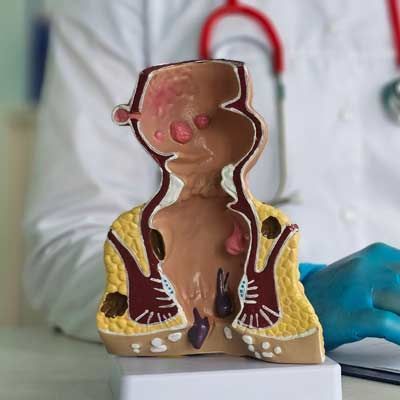
Diverticulosis involves the formation of small pockets in the colon that can become sensitive when digestion slows or pressure increases. Symptoms may include bloating, irregular bowel movements, or mild abdominal discomfort. Causes often include low fiber intake, chronic digestive tension, or long-term strain on the colon.
After your examination, Dr. Granirer may use
Natural Modalities to assess how your digestive system is moving and where it may need reinforcement. This helps address the factors contributing to this digestive imbalance and supports healthier colon function. As movement improves, pressure may decrease. Daily comfort can gradually return. This helps your digestive system operate with greater ease.
Fatty Liver Disease
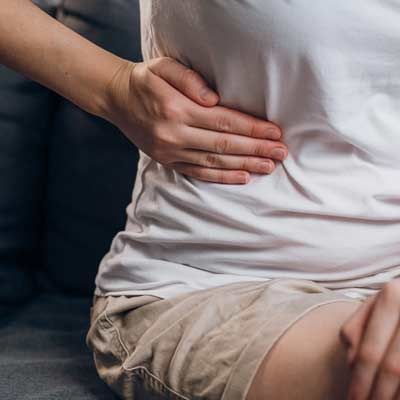
Fatty Liver Disease occurs when excess fat accumulates in the liver, making it harder for this key digestive organ to support smooth metabolism and bile production. Symptoms may include bloating, fatigue, right‑sided abdominal pressure, or a heavy feeling after meals. Common causes include poor diet, metabolic stress, inflammation, or long‑term strain on the liver’s ability to process fats.
After reviewing the results of your initial examination, Dr. Granirer may use Nutrition Response Testing to understand how your liver is functioning and what may be contributing to the buildup. This helps identify the underlying imbalance affecting your digestion and supports healthier liver activity. As the liver receives proper support, meals may feel easier to digest. Energy and comfort can gradually improve.
Learn more about Fatty Liver Disease.

Food Allergies and Sensitivities
Food allergies aand sensitivities occur when the body reacts to certain foods or food chemicals. Sometimes there may be direct symptoms, such as gas, bloating, fatigue, headaches, or irregular bowel movements. Often, there are no obvious symptoms, but these foods or food additives are weakening the body’s systems, including the immune system, and causing inflammation.
Dr. Granirer uses muscle testing to determine which foods your body may be sensitive to. When reactive foods are identified and are eliminated, inflammation decreases. digestion may improve, and symptoms may decrease.

Gallbladder
Gallbladder issues occur when bile flow becomes sluggish or blocked, making it harder for the body to break down fats and maintain smooth digestion. Symptoms may include upper‑right abdominal discomfort, nausea after meals, bloating, or a heavy feeling beneath the ribs. Common causes include gallstones, inflammation, poor bile movement, or long‑term dietary stress on the digestive system.
After reviewing the results of your examination, Dr. Granirer may use any multiple of
Holistic Modalities to evaluate how your gallbladder and surrounding digestive organs are functioning. This helps identify the deeper issue contributing to your discomfort and supports healthier bile flow. As the system becomes more balanced, meals may feel easier to digest. Pressure and fullness can gradually lessen.

Gastritis and Indigestion
Gastritis and indigestion involve irritation of the stomach lining, which can make meals feel heavy or uncomfortable. Symptoms may include burning sensations, nausea, early fullness, or upper abdominal discomfort. Causes often include stress, certain foods, bacterial imbalance, or long-term digestive strain.
Dr. Granirer uses
Nutrition Response Testing to determine what may be contributing to your gastritis and indigestion. When the stomach receives proper support, symptoms and discomfort may ease.

Gastroenteritis
Gastroenteritis is an irritation of the stomach and intestines that often appears suddenly and disrupts normal digestion. Symptoms may include diarrhea, vomiting, cramping, fatigue, or loss of appetite. It is commonly caused by viral or bacterial exposure, contaminated food, or temporary digestive inflammation.
Dr. Granirer may use a number of holistic modalities, such as Applied Kinesiology, to assess how your digestive system is recovering and what areas need nourishment. This helps your body overcome the internal disruption caused by the illness and supports a return to a steadier digestive rhythm. As the system regains strength, sensitivity may fade. Energy levels can begin to improve. This encourages a smoother recovery process.

GERD, Reflux, and Heartburn
GERD, reflux, and heartburn occur when stomach contents move upward into the esophagus, creating burning or pressure sensations. Symptoms may include heartburn, chest discomfort, sour taste, or difficulty lying down after meals. Causes often include digestive tension, structural imbalance, certain foods, or delayed stomach emptying.
After a detailed examination, Dr. Granirer may use Noninvasive Modalities to assess how your digestive mechanics function and what may be contributing to the reflux. This helps address the factors behind this upper digestive imbalance and supports more comfortable digestion. As the system becomes steadier, flare-ups may decrease. Meals can feel less stressful.
Hemorrhoids
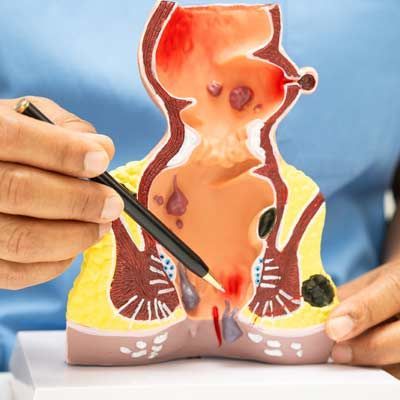
Hemorrhoids develop when veins in the lower rectum become swollen or irritated, often causing discomfort during daily activities. Symptoms may include itching, pressure, swelling, or pain during bowel movements. Common causes include straining, prolonged sitting digestive, irregularity, micro, biome, imbalance, and increased pressure in the lower digestive tract.
Dr. Granirer may use a combination of
natural modalities to assess what may be contributing to the inflammation in the lower digestive tract. Irritation may lessen with the proper foundational and microbiome support, which encourages healthier venous sufficiency and healthier function in the lower digestive region.
Hiatal Hernia
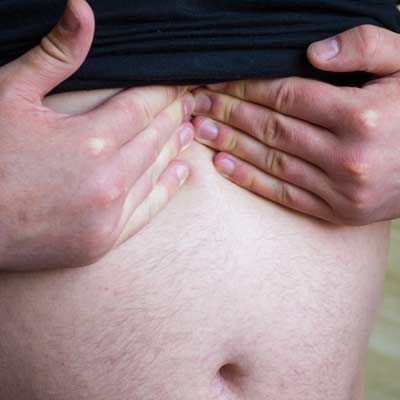
A hiatal hernia occurs when part of the stomach protrudes through the diaphragm, causing pressure or discomfort in the upper abdomen or chest. Symptoms may include fullness, reflux-like sensations, difficulty breathing deeply, or discomfort after meals. Causes often include structural tension, digestive pressure, or diaphragm strain.
Dr. Granirer may use
Muscle Testing to assess how your diaphragm and digestive system function together. This helps identify the contributors to this internal imbalance and supports a more natural digestive rhythm. As the area relaxes, pressure may decrease. Breathing can feel more open. This encourages greater comfort throughout the upper abdomen.

Inflammatory Bowel Disease (IBD)
Inflammatory Bowel Disease involves chronic irritation in the digestive tract that can affect comfort, energy, and daily function. Symptoms may include abdominal pain, diarrhea, urgency, fatigue, or weight changes. Causes often include immune system activity, genetic factors, and environmental influences that affect the digestive lining.
After a detailed examination, Dr. Granirer traditionally uses Nutrition Response Testing to evaluate how your digestive system is functioning and where it needs reinforcement. This helps your body address the deeper factors behind this dysfunction and supports steadier digestion. As inflammation-like sensations calm, daily routines may feel easier. Energy levels can improve. This encourages a more stable digestive experience.
Irritable Bowel Syndrome (IBS)
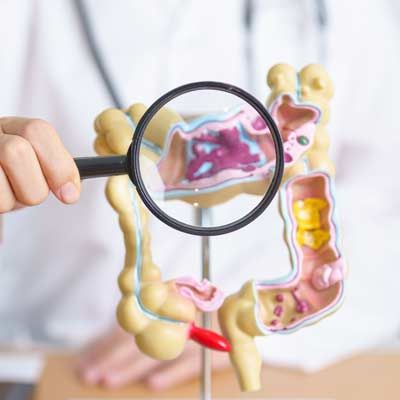
Irritable Bowel Syndrome is a functional digestive condition in which the gut becomes overly sensitive, and its motility becomes irregular. Symptoms may include bloating, cramping, constipation, diarrhea, or a mix of both. Common causes include gut-brain communication issues, stress, food sensitivities, or post-infection changes.
Dr. Granirer uses a variety of natural modalities, including
Applied Kinesiology and muscle testing to determine the underlying imbalances that are contributing to IBS. Digestion and irritation may improve by identifying underlying imbalances and the root cause of the digestive discomfort.
Lactose Intolerance
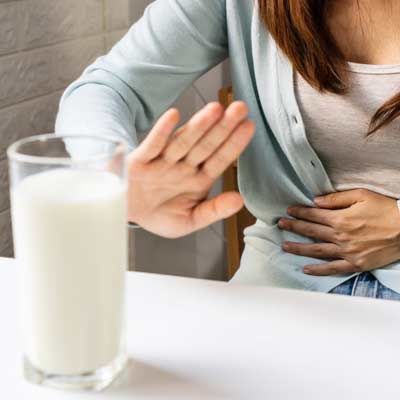
Lactose intolerance occurs when the body has difficulty breaking down lactose, the natural sugar found in dairy products. Symptoms may include bloating, gas, abdominal discomfort, or loose stools after consuming dairy. Causes often include reduced enzyme activity or sensitivity to dairy components in the digestive tract.
Dr. Granirer may use holistic modalities to evaluate how your body is reacting to dairy. In many cases, it is not just lactose, but casein ( the protein in dairy) that a patient is sensitive to. When you have the knowledge that dairy is a problem, you can make a conscious choice to eliminate it from your diet.
Leaky Gut Syndrome
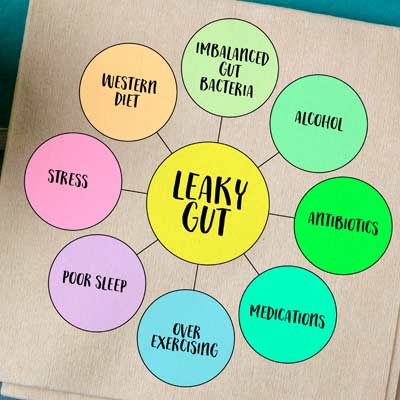
A Leaky Gut refers to a state where the intestinal lining becomes more permeable than normal, allowing irritants to pass through and disrupt digestive balance. Symptoms may include bloating, fatigue, food sensitivities, skin flare-ups, or general digestive discomfort. Common causes include stress, poor diet, bacterial imbalance, or long-term irritation of the intestinal lining.
Dr. Granirer may use Holistic Modalities, such as muscle testing, to assess how your gut lining functions and what may be contributing to your sensitivity. This helps identify the deeper imbalance affecting your digestion and supports a healthier intestinal environment. As the gut receives proper support, reactions to foods may lessen. Energy and comfort can gradually improve.
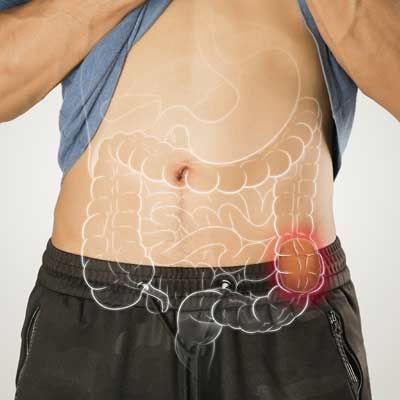
Lower Digestive Strain
Lower digestive strain occurs when the colon or lower abdomen feels tense, sluggish, or pressured. Symptoms may include constipation, bloating, discomfort, or a sense of heaviness. Causes often include slowed motility, dehydration, stress, or dietary factors. Depending on your examination, Dr. Granirer may use a combination of Modalities to assess how your lower digestive tract is functioning and where it may need support.
This helps your body correct the internal issue contributing to the strain and supports smoother digestion. As movement improves, pressure may ease. Daily comfort can increase. This encourages a more balanced digestive rhythm.
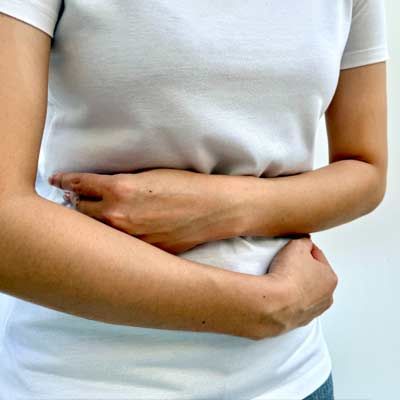
Post‑Infection Digestive Issues
Post-infection digestive issues can appear after a stomach illness and leave the gut feeling sensitive or unstable. Symptoms may include irregular bowel movements, bloating, discomfort, or reduced appetite. Causes often include temporary changes in gut bacteria, inflammation, or weakened digestive function after the infection.
Dr. Granirer may use
Muscle Testing to understand how your digestive system is recovering and what areas need attention. This helps your body overcome the lingering imbalance and supports a return to a steadier digestive rhythm. As the system rebuilds strength, sensitivity may fade. Energy can improve. This encourages a smoother recovery.
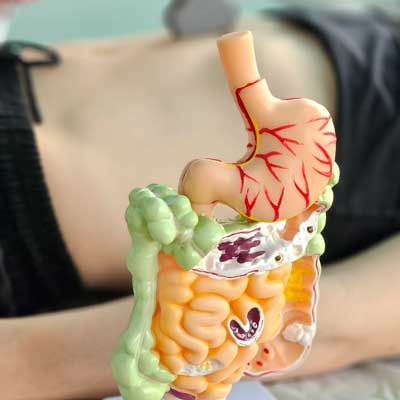
Ulcers and Upper Digestive Pain
Ulcers and upper digestive pain occur when the stomach lining becomes irritated, creating burning or aching sensations. Symptoms may include discomfort after meals, nausea, or upper abdominal sensitivity. Causes often include stress, certain foods, bacterial imbalance, or digestive strain.
After your examination, Dr. Granirer may utilize Nutrition Response Testing to evaluate how your stomach is functioning and what may be contributing to the irritation. This helps address the factors behind this dysfunction and supports calmer digestion. As the stomach receives proper support, discomfort may lessen. Meals can feel easier.
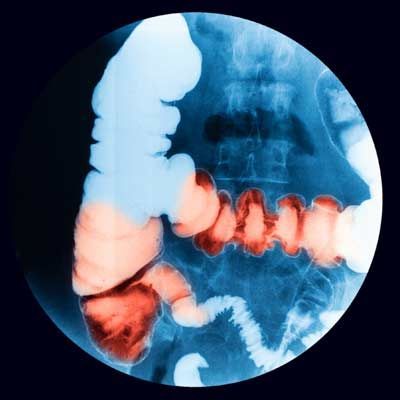
Ulcerative Colitis
Ulcerative colitis involves ongoing irritation in the colon that can affect comfort, energy, and daily routines. Symptoms may include abdominal pain, urgency, diarrhea, or fatigue. Causes often include immune system activity, genetic tendencies, and environmental influences.
Depending on your examination, Dr. Granirer may use Applied Kinesiology to assess how your colon is functioning and where it may need reinforcement. This helps your body address the internal imbalance contributing to your symptoms and supports steadier digestion. As irritation calms, daily life may feel more manageable. Energy can improve. This encourages a more stable digestive rhythm.

Upper Abdominal Pressure
Upper abdominal pressure creates a tight or full sensation beneath the ribs that can make eating or breathing feel restricted. Symptoms may include discomfort after meals, bloating, or a sense of upward pressure. Causes often include digestive tension, structural imbalance, or stress around the diaphragm.
Depending on the results of your examination, Dr. Granirer may use Holistic Modalities to understand what is contributing to the pressure and how your digestive system is functioning. This helps your body address the deeper issue behind this discomfort and supports a more open, relaxed feeling in the upper abdomen. As tension eases, breathing may feel easier. Meals can feel more comfortable.
A Personalized, Whole‑Body Approach
A single issue rarely causes digestive disorders. They develop when multiple stressors overwhelm the system. Dr. Granirer uses a combination of muscle testing, Nutrition Response Testing, and Applied Kinesiology to identify the specific imbalances affecting your digestion.
- Muscle testing to identify hidden stressors. This technique communicates directly with the nervous system to pinpoint food sensitivities, organ stress, and digestive weaknesses that may not appear on standard tests.
- Nutrition Response Testing for targeted support. This method identifies the exact nutrients, whole‑food supplements, or digestive supports your body needs to heal and regulate itself more effectively.
- Applied Kinesiology to assess structure and function. Subtle imbalances in the spine, diaphragm, or abdomen can affect digestion. Correcting these patterns helps restore natural motility and nerve flow
- Supporting gut flora and digestive strength. Balancing the microbiome and improving enzyme and acid levels helps reduce bloating, gas, and discomfort.
- Calming the nervous system. When the body shifts out of fight‑or‑flight mode, digestion becomes more stable and predictable.
These methods work together to help the body restore balance, reduce inflammation, and improve digestive comfort.
A Patient Case Study for Digestive Disorder Natural Remedies
Elizabeth had stomach problems for about five months. She started experiencing them when she came back from a trip to Peru. It was the first time she had traveled out of the country, and she was visiting her boyfriend's family. She suffered from gas, bloating, and stomach pain. Elizabeth had every medical test under the sun and was never given a clear diagnosis.
When I analyzed her using the nutritional muscle testing technique, I found two parasite vials and a Rickettsia vial that tested positive. She also tested for sensitivities to gluten and dairy. Elizabeth was put on a parasite homeopathic nosode detoxifier, lymphatic drainage, an enzyme, and anti-microbial herbs.
Surprisingly, she said that she had no noticeable detoxification symptoms. She felt better within five days of starting the protocol. Her gas completely resolved, and her stomach pain decreased by 50 percent in the first week. Elizabeth was really excited about her improvement, especially after I told her it could take months.
Elizabeth took nine weeks for her parasite and Rickettsia vials to test negative. She was feeling consistently better with every visit. After the vials tested negative, she stayed on an anti-parasitic supplement for about three months. This was to eliminate any parasitic babies, eggs, and spores that may be lurking and waiting for an opportunity to proliferate. She was also given immune-enhancing and modulating supplements to help her body restore homeostasis.
After five months, she didn't test for any anti-parasitic supplements, which confirmed that her infection had been resolved. Her symptoms were completely gone at this point. She indicated that she was feeling better than she had felt since her trip to Peru.
I gave Elizabeth advice on how to protect herself from parasites when she goes back to Peru to visit. She was scared to return but confident with the information that I gave her regarding protective supplements that she could take to prevent reinfection.
Contact Hudson Valley Chiropractor Dr. Louis Granirer for Digestive Problem Remedies
If you are struggling with digestive symptoms and have not found clear answers, you do not have to navigate this alone. Dr. Granirer takes the time to understand your unique patterns and identify the deeper stressors affecting your digestion.
You are invited to reach out and schedule a free consultation to discuss your symptoms, your goals, and how a holistic approach may help your body find relief. This first conversation is an opportunity to feel heard, supported, and guided toward a plan that aligns with your body's true needs.
Contact Dr. Louis Granirer today.